


What are the supporting facilities for solar-powered sprinkler pumps?
#Knowledge ·2026-07-31 09:25:17
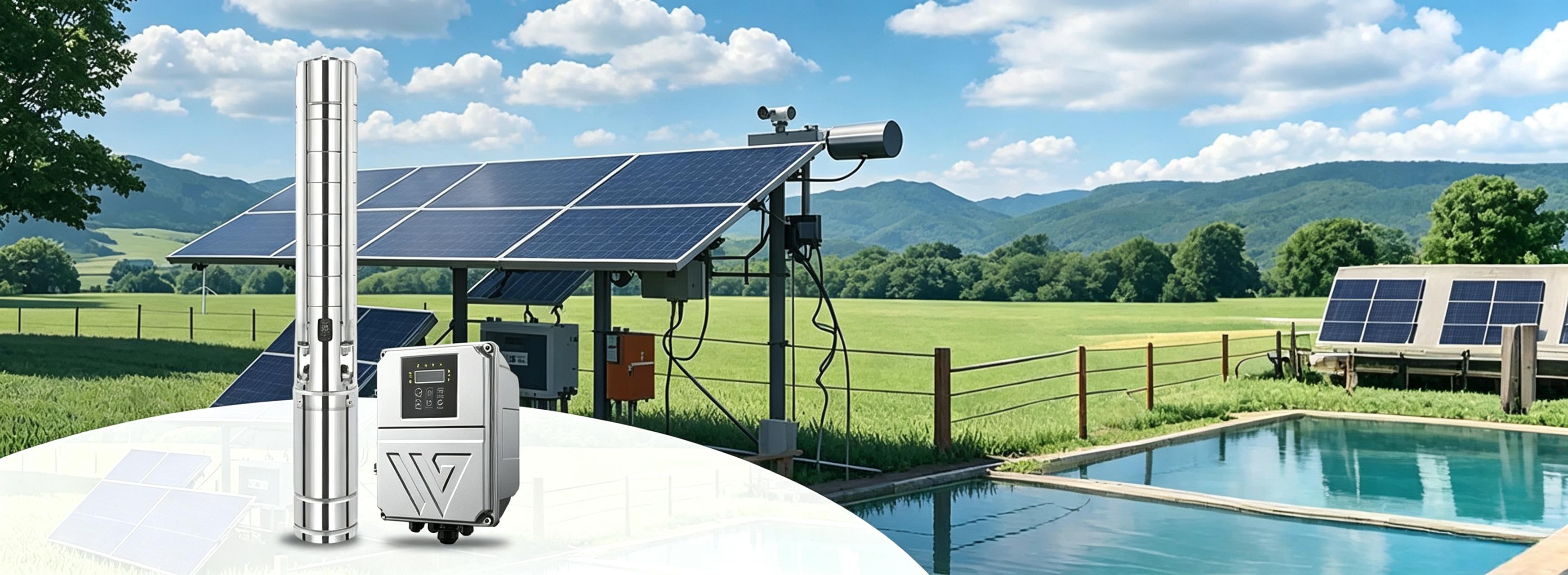
A solar-powered sprinkler pump (i.e., a solar photovoltaic sprinkler system) is a system that uses solar energy as a power source to drive a water pump and, together with sprinkler equipment, achieves automated irrigation. According to authoritative publicly available information, its supporting facilities mainly include the following categories:
Core Components
Photovoltaic modules (solar panels): Convert solar energy into electrical energy to provide power to the system.
Photovoltaic water pump inverter (controller): Enables maximum power point tracking (MPPT), regulates pump operation, and has intelligent control functions such as overvoltage, undervoltage, overcurrent, and water dry protection.
Water pump: Typically a DC brushless centrifugal pump or a deep well submersible pump, capable of directly pumping water to the sprinkler irrigation system.
Specialized Sprinkler Irrigation Equipment
Head Unit: Includes filters (such as screen filters, sand filters), fertilizer applicators (differential pressure, Venturi, or fertilizer pumps), pressure gauges, etc., used for water purification and integrated water and fertilizer management.
Water Distribution Network: Consists of main pipes, branch pipes, risers, and various fittings (tees, elbows, valves, etc.), delivering water to the fields.
Sprinkler Heads: Installed at the end of the risers, spraying water into raindrops for irrigation; rotary, refractive, or pressure-compensated types are available.